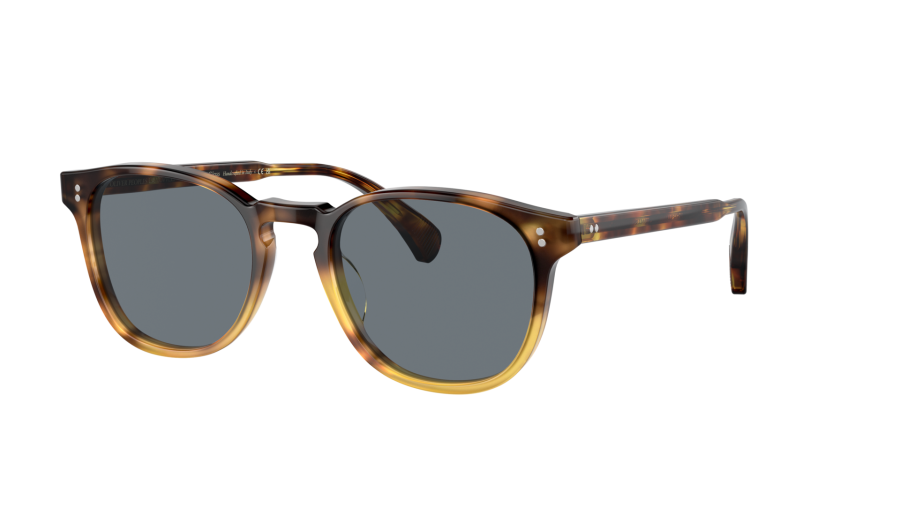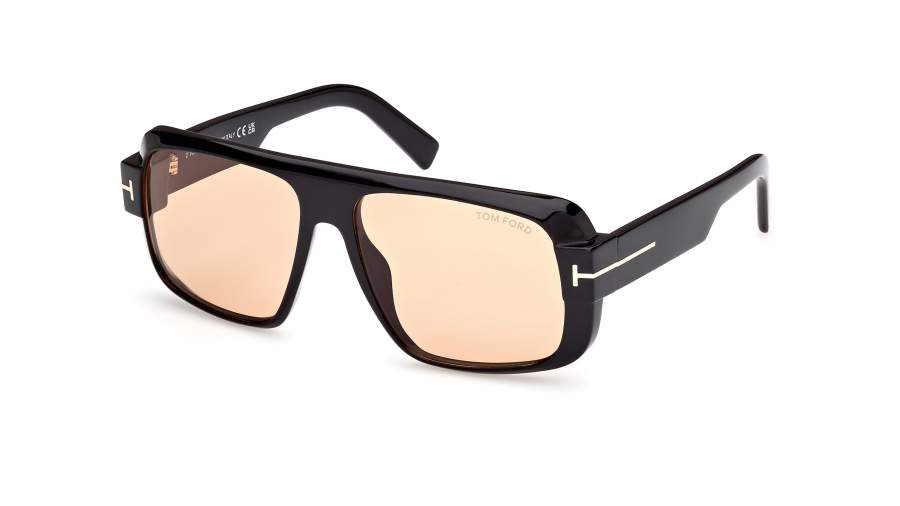
Moving from the bright light of the outdoors to the dimness of an interior can be a real challenge for your eyes. Sudden changes in brightness, visual fatigue, glare... If you wear glasses, you know how bothersome it can be. Fortunately, there is a clever solution: photochromic lenses. True chameleons of optics, they automatically adjust their tint according to the light to provide optimal visual comfort, wherever you are.
These smart lenses are appealing to both prescription glasses wearers and enthusiasts of technical sunglasses. They represent a perfect balance between sun protection, practicality, and aesthetics. But how do they work? What are their real benefits, their limitations, and how should you choose them? Let's discover together why photochromic lenses have become essential for uncompromised vision.
What is a photochromic lens?
A photochromic lens is a variable tint lens: it reacts to UV rays and automatically darkens according to light intensity. In the presence of strong light, it becomes darker to filter sunlight and protect the eyes from ultraviolet rays. Conversely, when the light decreases or indoors, it becomes clear again, offering total transparency.
This change in tint is reversible and triggers in just a few seconds. The lenses reach their maximum protection category, equivalent to a category 3 sun lens, in the blink of an eye. It then takes a few minutes for them to return to their completely clear state. The reaction speed also depends on the temperature: in cold weather, the lens darkens faster and stays dark longer; in warm weather, it darkens more slowly but becomes clear quickly.
The average lifespan of this type of lens is about five years. Over time, the photochromic reactions may slightly decrease, but the performance remains largely satisfactory for daily use.
How do photochromic lenses work?
The principle is based on a precise chemical reaction. The lenses contain photochromic molecules — often based on silver halides — that change structure when exposed to ultraviolet light. These molecules transform to absorb more radiation and darken. As soon as the light decreases, they revert to their original shape and the lens clears.
This phenomenon of coloring and decoloring is possible thanks to the lens treatment technology, whether on mineral or organic lenses (polycarbonate, thinned organics, etc.). Manufacturers like Essilor, with their Transitions range, have perfected this process to achieve faster transitions, better UV protection, and optimal indoor transparency.
Photochromic lenses thus filter both UVA and UVB rays, reduce parasitic reflections and reverberation on surfaces (roads, water, snow, windshields) and provide constant visual comfort. It is this adaptability that makes them successful among active eyewear users, whether they are in the city, in the mountains, or by the sea.
Signature or Xtractive: which option to choose?
Not all photochromic lenses are equal, and it is important to choose the technology suited to your use. The photochromic lens blocks 100% of UV rays, ensuring optimal retina protection, whether it is clear or dark. However, it should be noted that windows and windshields already filter a large part of UV rays, sometimes preventing the reaction of standard lenses.
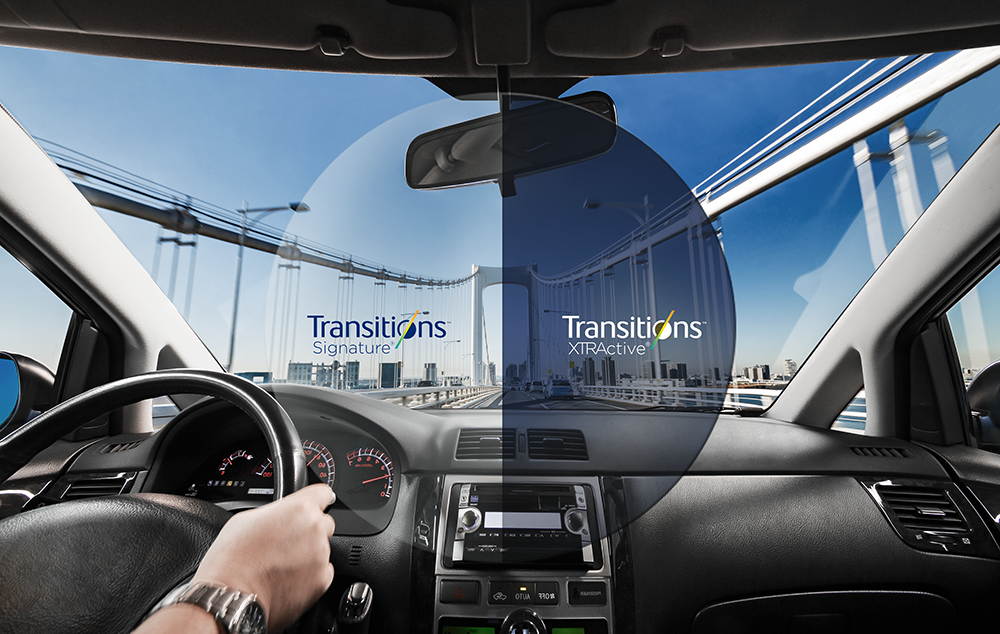
The Transition Signature Gen 8 lens, for example, which we offer on Visiofactory, does not darken behind a windshield and therefore remains relatively clear in a car. It is ideal for mixed use, between indoors and outdoors, for those who want a smooth transition in everyday life.
On the other hand, the Xtractive range has been specially designed to react behind windshields. It reaches a solar category 2 even while driving, offering perfect intermediate sun protection for long journeys. These lenses darken more quickly but also take longer to become clear again. Their resting tint retains a slight residual coloration, ensuring an aesthetic and pleasant transition.
The different types of photochromic lenses
Standard photochromic lenses
These are the most common. They adapt to natural sunlight, offer excellent UV protection, and effectively reduce glare. Available in single vision or progressive versions, they are perfectly suited for daily use, in the city or the countryside.
Photochromic lenses for driving
Some lenses are specially designed for automotive driving. They react even behind filtering windows and improve contrast on the road. Their specific tint helps to reduce eye fatigue during long hours at the wheel, in bright sunlight or low light.
Photochromic lenses for sports
Athletes particularly appreciate photochromic lenses for their responsiveness. On a pair of sports glasses — cycling, skiing, or hiking — these lenses ensure clear and sharp vision despite changes in brightness. Brands like Julbo, Oakley, or Bollé offer photochromic models designed for outdoor sports and extreme conditions.
To discover our most high-performance models, explore our sports glasses category page on Visiofactory. You will find pairs equipped with polarizing photochromic lenses, ideal for mountain biking, hiking, or water sports.
The advantages of photochromic lenses
Full solar protection
They filter all UVA and UVB rays and protect the retina from the harmful effects of solar radiation. This UV protection limits the risks of cataracts and avoids visual fatigue.
Permanent visual comfort
Thanks to their adaptation to ambient light, they reduce glare and the discomfort caused by the sun. You thus enjoy comfortable vision in all circumstances, whether you are indoors, in a car, or outdoors.
Aesthetics and practicality
Photochromic lenses fit all frames, whether they are thin, thick, metallic, or acetate. Their evolving tint remains aesthetic and natural. Plus, you no longer need to switch between prescription glasses and sunglasses: one pair suffices.
Compatibility with corrective lenses
Available in corrective, progressive, or polarizing versions, photochromic lenses adapt to all visual corrections. Opticians can also add additional treatments such as anti-reflective, anti-scratch, or blue light filters for enhanced comfort.

The disadvantages to know
Their transition time depends on the temperature: they darken faster in cold weather, but can be a bit slower in summer. Their effectiveness is also reduced behind certain filtering windows. Moreover, wearers seeking maximum contrast for certain sports activities might sometimes prefer a fixed polarized sun lens.
However, the latest generations of lenses, like the Transitions Xtractive or the Essilor Crizal, have significantly reduced these constraints. They now offer rapid darkening, perfect indoor clarity, and increased resistance to scratches and fogging.
Photochromic lenses or polarized sunglasses?
Polarized lenses are designed to filter light reflected by flat surfaces and reduce parasitic reflections. They offer enhanced contrast, ideal for driving, water activities, or mountain sports.
Photochromic lenses, on the other hand, continuously adapt to light. They are not necessarily polarized, but some high-end models combine both technologies. This is the case with polarizing photochromic lenses, which provide both sun protection and intelligent tint adjustment. A perfect combination for those seeking the best visual protection.
How to choose the right photochromic lenses?
The tint of the lens
Gray, brown, or green: each tint offers a different visual experience. Gray faithfully reproduces natural colors, brown enhances contrasts, and green balances comfort and color perception. For athletes, gradient lenses are often preferred, as they provide optimal vision both on the road and towards the horizon.
The type of activity
For automotive driving, opt for lenses that are reactive behind windshields, like the Xtractive. For sports, choose a lightweight and durable polycarbonate model with hydrophobic and anti-fog treatments. For everyday use, the Signature Gen 8 lenses are perfectly suitable.
Additional treatments
Photochromic lenses can receive additional treatments: anti-reflective to eliminate annoying reflections, anti-scratch to prolong their lifespan, blue light filter for screens, or mirror effect for a modern style.
Chameleon vision at the service of your eyes

Photochromic lenses are much more than an innovation: they are true allies of modern visual comfort. Adaptive, protective, and aesthetic, they adjust to sunlight while effectively filtering harmful UV rays.
Whether you are a regular driver, an outdoor sports enthusiast, a professional often exposed to the sun, or simply a lover of visual comfort, they offer a unique solution: a single pair of glasses capable of adapting to all lighting conditions.
On Visiofactory, discover a complete selection of glasses equipped with photochromic lenses from Ray-Ban, Oakley, Vuarnet, Julbo, or Bollé. Our opticians will help you choose the ideal pair according to your style, your correction, and your sun protection needs.
Photochromic lenses do not just follow the light: they understand it, filter it, and transform it for the benefit of your eyes. Intelligent, discreet, and lasting comfort, designed to accompany your gaze in all circumstances.